


-

Add: HeBei ShengShi HongBang Cellulose Technology CO.,LTD.
-

Email
13180486930@163.com -

CONTACT US
+86 13180486930



Methylcellulose An Essential Excipient in Pharmaceutical Innovations In the realm of pharmaceutical science, the importance of excipients can't be overstated. Methylcellulose, a cellulose derivative, stands as a pivotal player in the formulation of various medications, offering unique properties that enhance drug delivery and efficacy. This article explores the multifaceted applications of methylcellulose in pharmaceuticals, underpinned by a deep dive into its characteristics and contributions to modern medicine. Methylcellulose is renowned for its exceptional ability to act as a binder, emulsifier, and controlled-release agent. This versatility stems from its unique chemical structure, which combines cellulose with methyl ethers. This modification endows methylcellulose with hydrophilic and viscoelastic properties, making it invaluable in tablet formation. In experience-driven product development, many formulation scientists have attested to its efficient binding capabilities that ensure tablets are robust and cohesive, yet break down efficiently in the digestive system for optimal drug absorption. Its emulsifying properties are equally significant. Methylcellulose acts as a stabilizer for emulsions, crucial for the production of topical ointments and creams where active pharmaceutical ingredients (APIs) are dispersed in a carrier substance. Expertise in formulation confirms that methylcellulose contributes to the uniform distribution of APIs, enhancing the product's overall therapeutic efficacy. This makes it an indispensable component in dermatological applications, exuding trust through consistent performance and patient outcomes. Controlled-release formulations are the frontier of patient-centric drug delivery systems. Methylcellulose functions as a matrix former in these formulations, providing sustained release of active ingredients over prolonged periods. This minimizes dosing frequency and enhances patient compliance—a testimony to its authoritativeness in pharmaceutical research and development. Numerous clinical studies validate its effectiveness in achieving steady plasma concentration levels of medications, thereby optimizing therapeutic results and reducing side effects. methylcellulose used in pharmaceuticals Notably, the trustworthiness of methylcellulose in pharmaceuticals is anchored on its safety profile . It is an inert compound, not absorbed systemically, reducing the risk of adverse effects. This inertness, coupled with its biodegradability, makes methylcellulose an eco-friendly choice for pharmaceutical industries committed to sustainable practices. Regulatory agencies, including the FDA, have extensively reviewed and approved its use across various drug formulations, further cementing its status as a reliable excipient. Furthermore, patient experience with methylcellulose-based products is overwhelmingly positive. Anecdotal evidence and patient testimonials highlight improved compliance due to the ease of administration and the enhanced stability of formulations. This feedback, gathered over years of clinical use, continuously informs improvements in product design and delivery methods, reinforcing methylcellulose's place in pharmaceutical innovation. As the pharmaceutical landscape evolves, the demand for novel delivery systems and patient-friendly formulations grows. Methylcellulose, with its diverse applications and proven benefits, remains at the forefront of this evolution. It epitomizes the intersection of scientific innovation and practical application, underscoring the importance of excipients in the advancement of healthcare solutions. By integrating methylcellulose with technological advancements, pharmaceutical companies not only enhance the quality and efficacy of their products but also fortify their reputation in the industry. Thus, methylcellulose is not merely an excipient; it is a cornerstone of pharmaceutical excellence, instrumental in shaping the future of medicine.
- 40000tons

Production
- 20+years

Experience
- 5000+㎡

Acreage

-
The construction industry is constantly evolving, with innovations aimed at enhancing the durability and performance of building materials. One such breakthrough is the use of hydroxy methyl propyl cellulose (HPMC) , hydroxyethyl methyl cellulose (HEMC) , hydroxymethyl cellulose , and hydroxymethyl ethyl cellulose in gypsum board production. These cellulose ethers play a crucial role in improving the strength, workability, and overall quality of gypsum boards. This article explores how these additives are transforming the construction landscape and why they are indispensable in modern building practices. The Role of Hydroxy Methyl Propyl Cellulose in Gypsum Board Strength Hydroxy methyl propyl cellulose (HPMC) is a key additive in gypsum board manufacturing, known for its ability to enhance the material’s mechanical properties. When added to the gypsum mixture, HPMC acts as a thickener and water retention agent, ensuring a consistent and workable slurry. This uniformity is critical for achieving a strong and durable board. Additionally, HPMC improves the adhesion between gypsum particles, resulting in a denser and more robust structure. Its ability to reduce cracking and increase impact resistance makes it an essential component in high-performance gypsum boards. Hydroxyethyl Methyl Cellulose HEMC: Enhancing Workability and Strength Hydroxyethyl methyl cellulose (HEMC) is another cellulose ether that significantly contributes to the quality of gypsum boards. HEMC improves the workability of the gypsum slurry, making it easier to mix and apply. This enhanced workability ensures a smoother surface and better edge formation during board production. Beyond its functional benefits, HEMC also boosts the board’s strength by improving the hydration process of gypsum. This results in a more compact and resilient structure, capable of withstanding heavy loads and external stresses. Its versatility and effectiveness make HEMC a popular choice in the construction industry. Hydroxymethyl Cellulose: A Natural Solution for Gypsum Board Durability Hydroxymethyl cellulose (HMC) is a naturally derived additive that offers numerous advantages in gypsum board production. As a water-soluble polymer, HMC enhances the viscosity of the gypsum slurry, ensuring better cohesion and reduced segregation. This leads to a more uniform distribution of gypsum particles, which directly translates to improved board strength. HMC also acts as a binder, increasing the board’s resistance to moisture and environmental factors. Its eco-friendly nature and cost-effectiveness make it an attractive option for sustainable construction practices. Hydroxymethyl Ethyl Cellulose: Optimizing Gypsum Board Performance Hydroxymethyl ethyl cellulose (HMEC) is a versatile additive that plays a pivotal role in optimizing gypsum board performance. HMEC improves the thixotropic properties of the gypsum slurry, allowing for easier application and better surface finish. Its water retention capabilities ensure proper hydration of gypsum, leading to a stronger and more durable board. Additionally, HMEC enhances the board’s fire resistance and thermal insulation properties, making it a valuable component in modern construction. Its ability to improve both mechanical and functional aspects of gypsum boards underscores its importance in the industry. The Future of Gypsum Boards with HPMC and Cellulose Ethers The integration of HPMC , HEMC, HMC, and HMEC in gypsum board production marks a significant advancement in construction technology. These cellulose ethers not only improve the strength and durability of gypsum boards but also enhance their workability, fire resistance, and environmental performance. As the demand for high-quality and sustainable building materials continues to grow, the role of these additives will become even more critical. By leveraging the unique properties of HPMC and other cellulose ethers, manufacturers can produce gypsum boards that meet the evolving needs of the construction industry. In conclusion, the use of hydroxy methyl propyl cellulose , hydroxyethyl methyl cellulose , hydroxymethyl cellulose , and hydroxymethyl ethyl cellulose in gypsum board production is revolutionizing the construction sector. These additives are essential for improving the strength, durability, and overall performance of gypsum boards, making them a cornerstone of modern building practices. As innovation in this field continues, the potential for even more advanced and sustainable solutions is limitless.
-
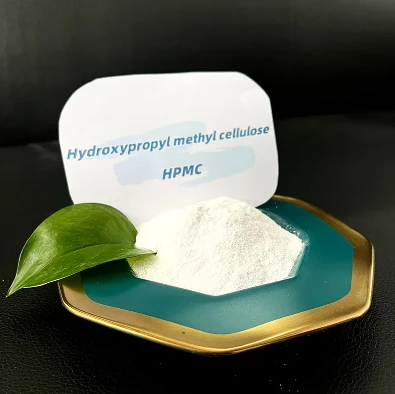
HPMC Monograph Your Comprehensive Guide to Understanding Hydroxypropyl Methylcellulose in Product Formulation Hydroxypropyl Methylcellulose (HPMC) is an essential ingredient in a vast array of industries, from pharmaceuticals to food production, and even household products. With its remarkable versatility and properties, HPMC has become a crucial component for formulators across the globe. This monograph aims to unravel the complexities of HPMC, offering insights based on experience, expertise, and research-backed authority to enhance understanding and trust in its application. HPMC A Multifaceted Polymer HPMC belongs to the class of cellulose ethers, produced through the chemical modification of cellulose, the most abundant biopolymer on Earth. Adding hydroxypropyl and methyl groups to cellulose results in HPMC, a polymer renowned for its solubility in cold water, film-forming abilities, and non-toxic nature. These characteristics make it an invaluable excipient in product formulations. Applications Across Industries 1 . Pharmaceuticals In drug formulation, HPMC plays a pivotal role as a controlled-release agent, binder, and film-coating material. Its ability to form viscous solutions and gels helps maintain drug stability and enhance bioavailability. These properties are crucial for developing both generic and brand-name medications, ensuring consistent therapeutic effects. 2. Food Industry As a food additive, HPMC serves as a thickener, stabilizer, and emulsifier. It is commonly found in products like baked goods, sauces, and low-calorie foods. Its heat and pH stability ensure that textures remain desirable in various culinary applications, offering an enhanced eating experience. 3. Construction Materials In the construction sector, HPMC is utilized in tile adhesives, cement mixtures, and exterior wall coatings. Its water retention and adhesive properties enhance the workability of these materials, providing durable and efficient building solutions. 4. Cosmetics and Personal Care HPMC is used for its film-forming and thickening properties in products such as shampoos, lotions, and creams. It enhances the texture and stability of these formulations, contributing to a positive consumer experience. Expert Insight The Science Behind HPMC's Functionality hpmc monograph The utility of HPMC in various applications is fundamentally linked to its molecular structure and interaction with other formulation components. The degree of substitution and molecular weight of HPMC can be tailored to meet specific application needs. Researchers and product developers must consider viscosity grades and solubility profiles to optimize the performance of HPMC in their formulations. Studies have demonstrated the superior film-forming capabilities of HPMC, noting its resilience and flexibility, which are critical factors in ensuring long-term functionality. Additionally, HPMC's bioadhesive properties make it an excellent candidate for mucoadhesive drug delivery systems, further expanding its versatility in pharmaceutical applications. Building Trust Through Quality and Compliance Ensuring the quality and safety of HPMC is paramount to maintaining trust and authority in its usage. Leading manufacturers adhere to strict regulatory standards, including those set by the FDA and EMA, to ensure that HPMC products meet pharmaceutical, food-grade, and industrial criteria. Regular audits, quality control measures, and adherence to GMP (Good Manufacturing Practice) guidelines are essential to maintaining the credibility of HPMC suppliers. For formulators, choosing a reliable supplier with a proven track record in compliance can significantly impact the success of a product. Sustainability and Future Directions As industries emphasize sustainable practices, the role of biopolymers like HPMC becomes increasingly important. Derived from renewable resources, HPMC aligns with the global shift towards eco-friendly and sustainable product solutions. Innovations in production processes aim to reduce environmental impact while enhancing the efficiency and functionality of HPMC in various applications. Future research may focus on the development of HPMC blends and composites, unlocking new functionalities and expanding its usability across different sectors. By continually pushing the boundaries of what HPMC can achieve, industries can leverage this versatile polymer to drive innovation and meet evolving consumer demands. In conclusion, the HPMC monograph provides a thorough understanding of this essential ingredient, highlighting its multifaceted applications, expert insights into its functionality, and its alignment with quality and sustainability standards. By advancing knowledge and expertise in HPMC, formulators can enhance their product offerings with confidence and effectiveness.
advantages
-

200000 Viscosities
Excellent product
We can produce pure products up to 200,000 viscosities
-

40000 tons
High yield
We don’t stop production all year round, and the annual output can reach 40,000 tons
-

24 hours
Quality service
We provide 24-hours online reception service, welcome to consult at any time
———— Inquiry Form
Schedule A services

-
 is_cellulose_wood
Oct . 25, 2025
Redispersible emulsion powder (RDP), including redispersible latex powder , polymer powder , VAE red -
 retaine_hpmc_discontinued
Oct . 25, 2025
Kizuia Jasi Embracing Resilience and Strength In a world fraught with challenges, the concept of Kiz -
 starch_derivatives_examples
Oct . 25, 2025
In the quest for advanced pharmaceutical solutions, HPMC Dextran 70 emerges as a significant player,


